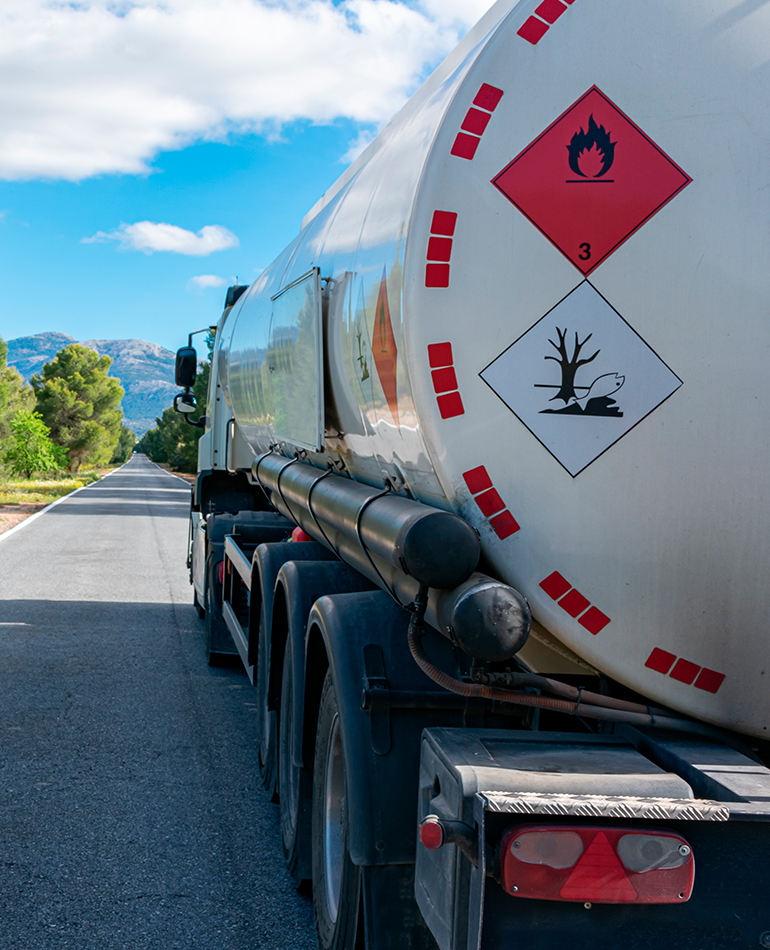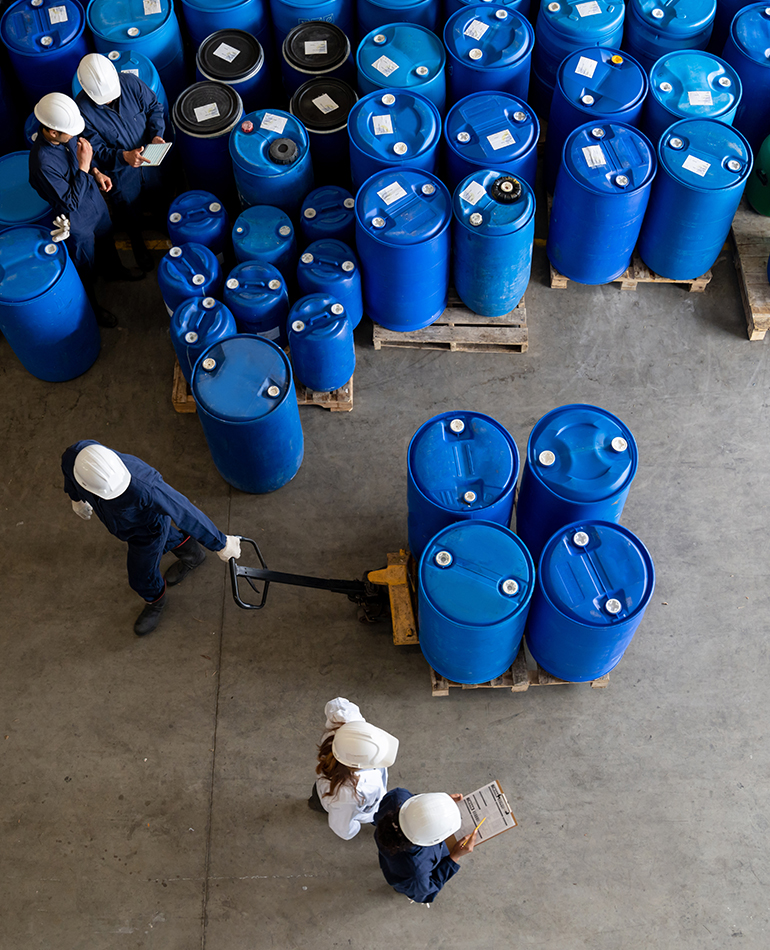

Most industrial incidents don’t begin with a technical failure, but with improperly stored materials. Proper management is the first line of prevention.
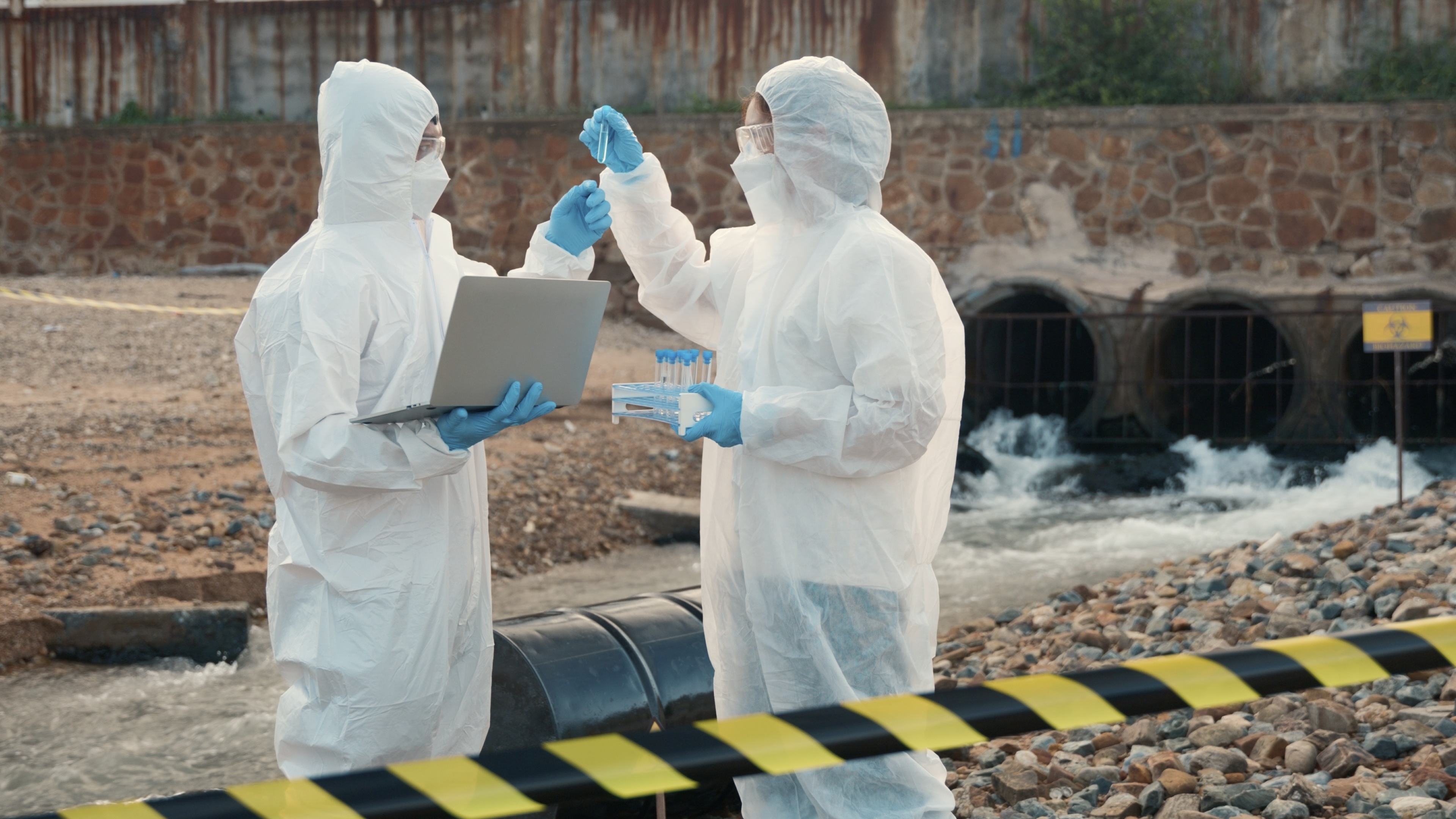
In industrial environments, the disorderly accumulation of waste and highly combustible raw materials creates conditions that enable major incidents. When materials such as oils, rubber, solvents, or metal spare parts are stored without segregation criteria, ventilation, thermal control, and chemical compatibility measures, facilities become high-risk areas where an ignition source can trigger structural damage, operational disruption, and irreversible economic losses.
They result from breakdowns in material traceability, the absence of handling protocols, limited awareness of technical standards, and a lack of preventive systems. Proper management is not only about meeting regulatory requirements; it also means applying chemical safety principles, GHS classification, NFPA standards, and operational best practices.
E&R provides solutions that address these needs at the source: technical facility assessments, storage procedure design, document control, specialized training, and contingency plans. Prevention—when grounded in technical criteria and responsible management—is the only effective way to keep a controllable event from escalating into an emergency with business and community impact.